Why Micro-Credentials Matter: A Smart Step Forward in Your Career
In today’s fast-moving professional world, knowledge is power. That’s where micro-credentials come in. Whether you’re trying to keep pace with industry changes, shift careers, or showcase your expertise in a specific area, micro-credentials are a powerful way to grow.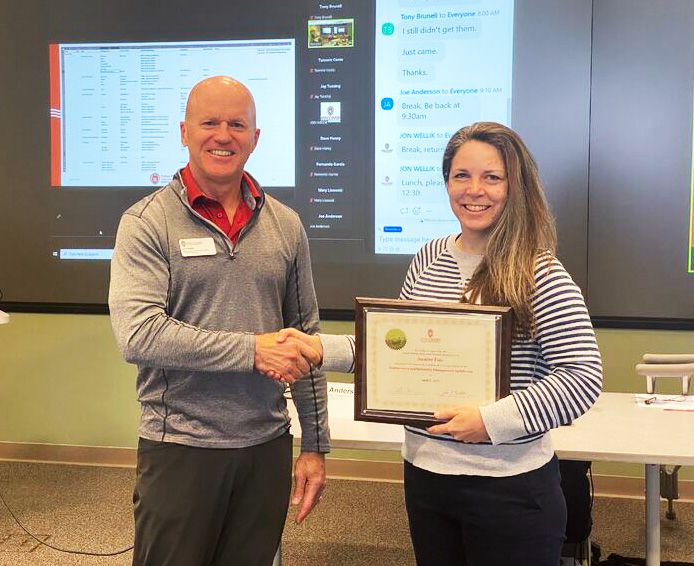 Micro-credentials aren’t meant to replace traditional degrees—they’re designed to complement them. If you already hold a degree, a micro-credential can help you expand into new technical areas, stay current with emerging technologies, or strengthen your leadership and project management skills. If you don’t have a degree, these credentials show focused knowledge and commitment—which can be equally important to employers.Micro-credentials lead to tangible business outcomes; employees with these credentials can drive innovation, improve efficiency, and contribute to the bottom line. These credentials can also align with emerging trends and technologies, ensuring professionals are equipped with the latest skills.Over the past few years, hundreds of students have earned micro-credentials through UW–Madison’s College of Engineering.
So, what exactly is a micro-credential?
At its core, a micro-credential is a short, focused qualification that demonstrates mastery of a specific skill or set of competencies. In our College of Engineering program, micro-credentials come in the form of badges or certificates earned through a single course or a series of courses. These credentials indicate that you have completed the coursework and an assessment, confirming your understanding of the material.Micro-credentials aren’t meant to replace traditional degrees—they’re designed to complement them. If you already hold a degree, a micro-credential can help you expand into new technical areas, stay current with emerging technologies, or strengthen your leadership and project management skills. If you don’t have a degree, these credentials show focused knowledge and commitment—which can be equally important to employers.Micro-credentials lead to tangible business outcomes; employees with these credentials can drive innovation, improve efficiency, and contribute to the bottom line. These credentials can also align with emerging trends and technologies, ensuring professionals are equipped with the latest skills.Over the past few years, hundreds of students have earned micro-credentials through UW–Madison’s College of Engineering.